

The h2x Blog
We publish practical guides, top tips and trends, latest news, and more stories related to the mechanical, plumbing and fire industry.

Latest Articles
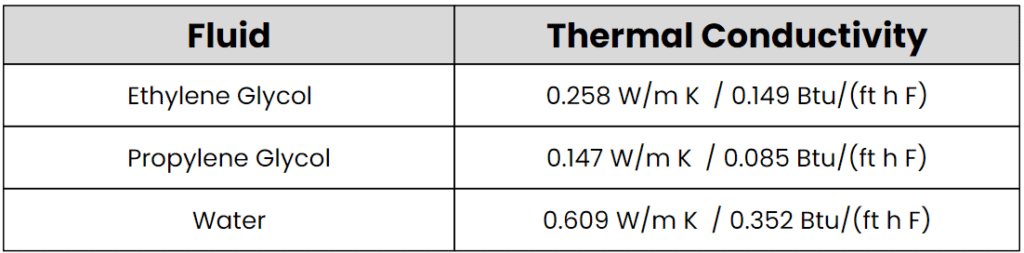
Glycol in Heating and Cooling Systems – What are the Implications?
Glycol is a substance commonly used in heating and cooling systems for its freeze protection capabilities. In...

The Correlation Between Water Temperature and Friction Loss in Water Pipes
Commonly known factors in pressure loss calculations include the flow rate of the water, the pipe diameter,...
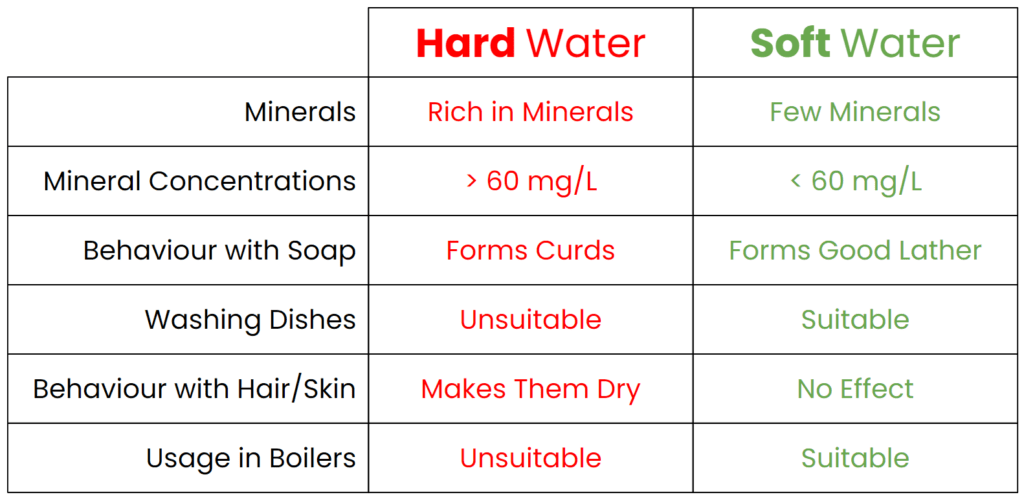
What is hard water?
Hard water is caused by high levels of dissolved minerals, primarily calcium and magnesium, in the water. ...
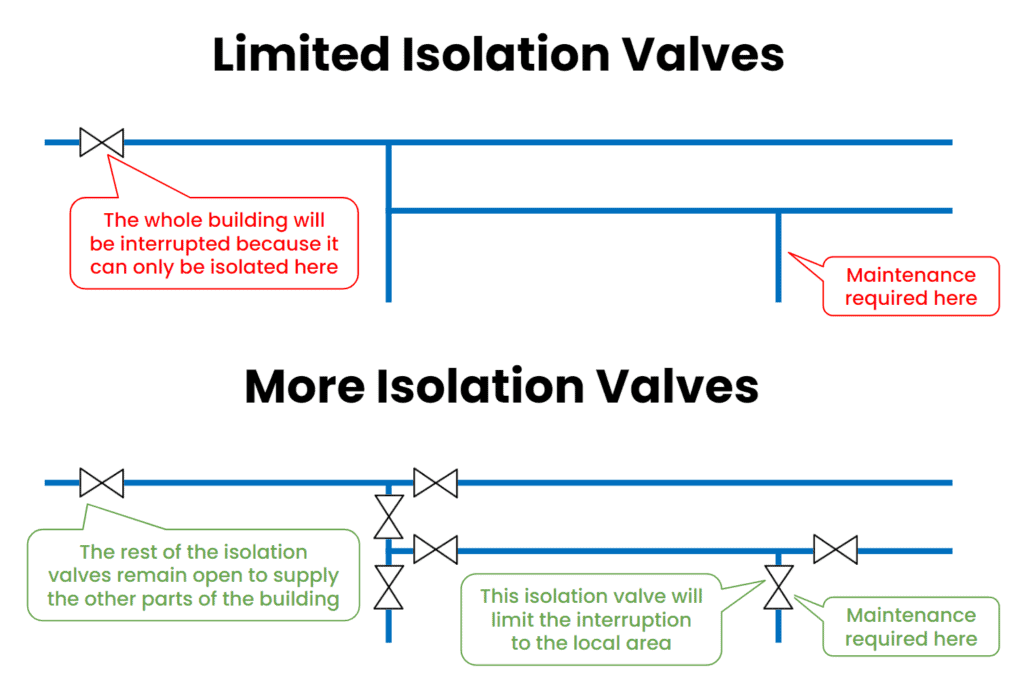
10 Steps to Creating an Easily Maintainable System
This one should go without saying... but a correct design is crucial for maintenance because it ensures...
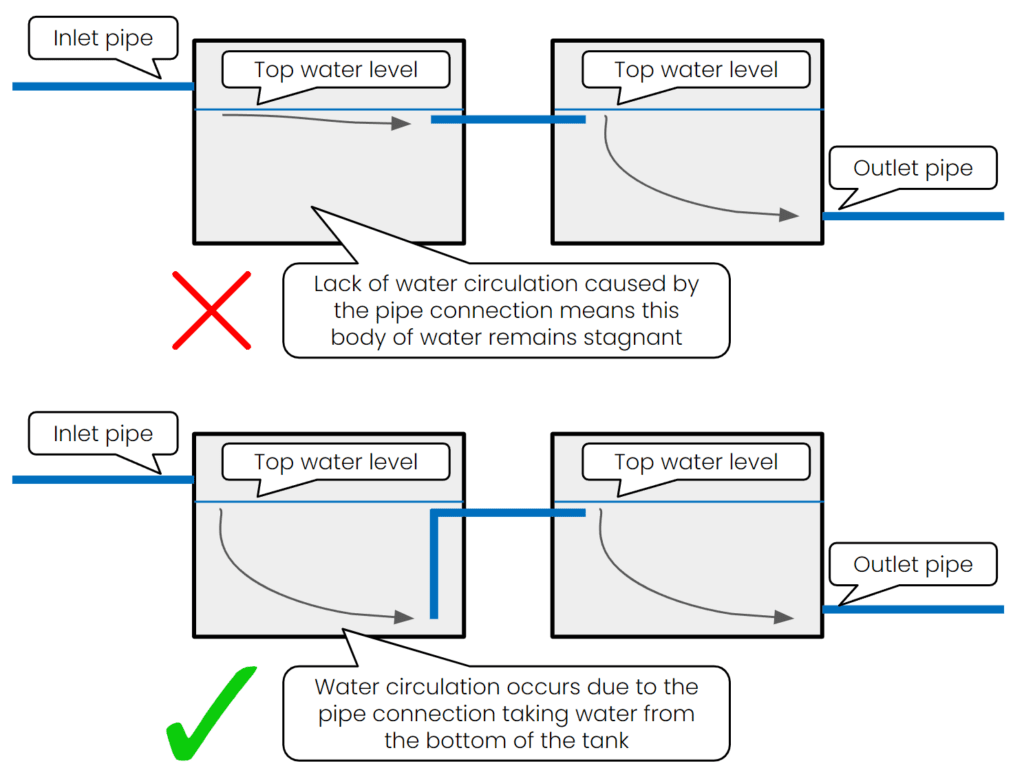
Water Storage Tanks
A water storage tank is a container used to store and hold water. Tanks are typical for...

Quality Control in Engineering Designs
Engineers working in design know that quality control places significant demands on their work. From pipe sizing...

‘Erosion Corrosion’ in Water Systems
Erosion corrosion is a type of corrosion that occurs when water flows over a metal surface. The...

H2X: The Plumbing System Design Software That Helps You Design Compliantly
Plumbing system compliance relies on an all-important bedrock of technical calculations. However, the workflow followed to undertake...
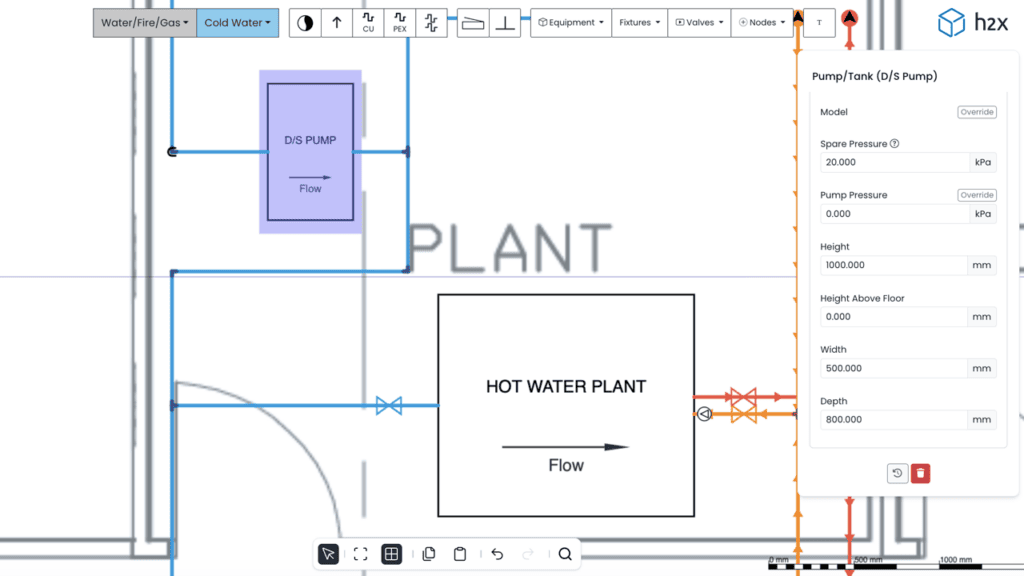
Recirculation Pumps: Sizing and Selection Guide
A practical engineering guide to calculating recirculation pump flow and head, identifying the index circuit, reading pump...

What Does BIM Mean for Engineers?
Engineers have long sought techniques to decrease project costs whilst increasing productivity and quality. Building information modelling...

How is BIM Impacting the Construction Industry?
Anyone involved in a construction project knows that a lot of work goes into even the simplest...
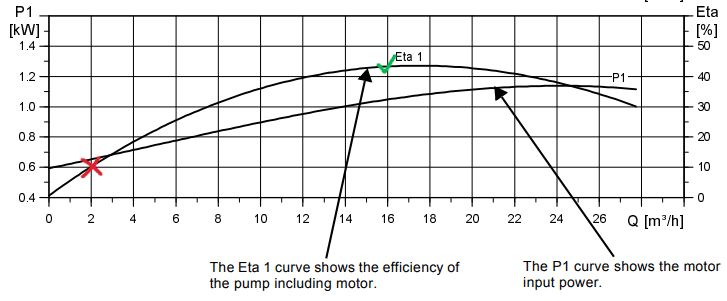
Booster Pumps
Booster pumps increase the water pressure within a system. As a rule of thumb, you will need...
Featured (Must-Read Blogs)
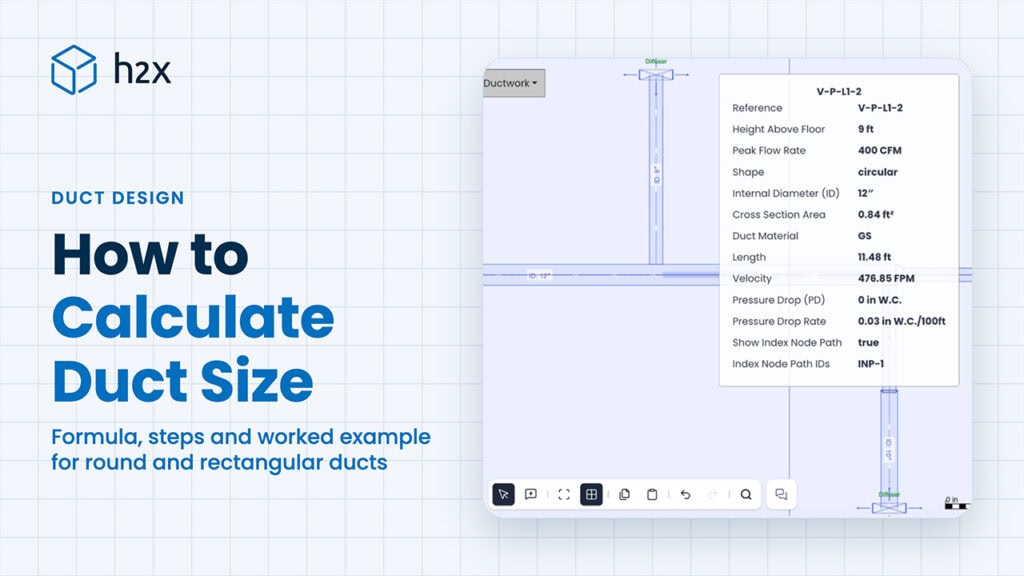
How to Calculate Duct Size for HVAC Systems
Learn how to calculate duct size from airflow, velocity and friction rate, with a worked example for...
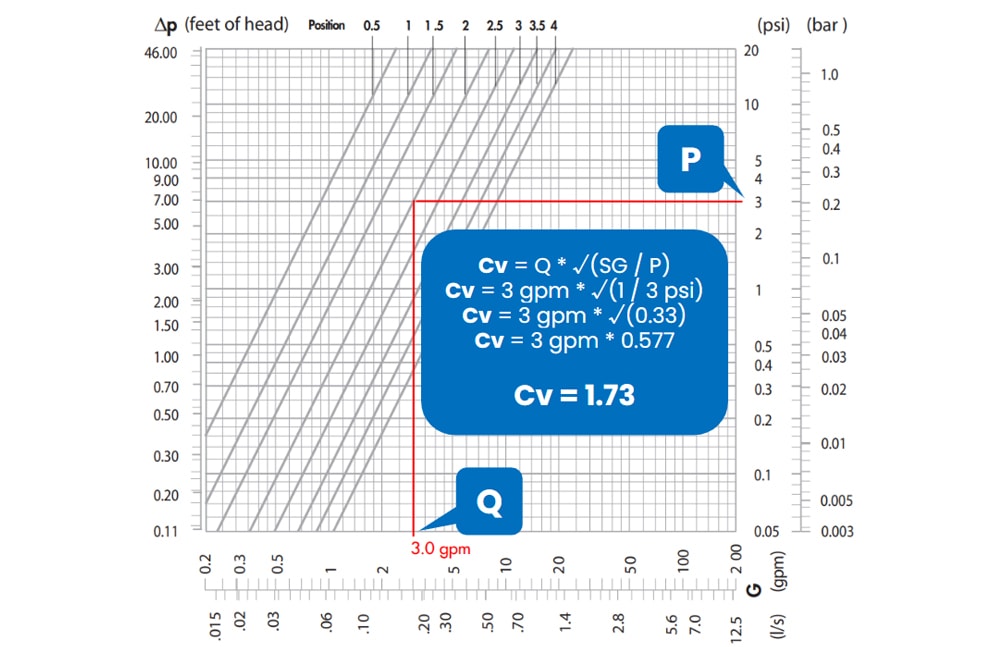
What Are Cv and Kv? Flow Coefficient Formulas & Valve Sizing Explained
Learn how flow coefficient (Cv) impacts valve sizing. Explore their calculation, importance in fluid dynamics, applications, and...
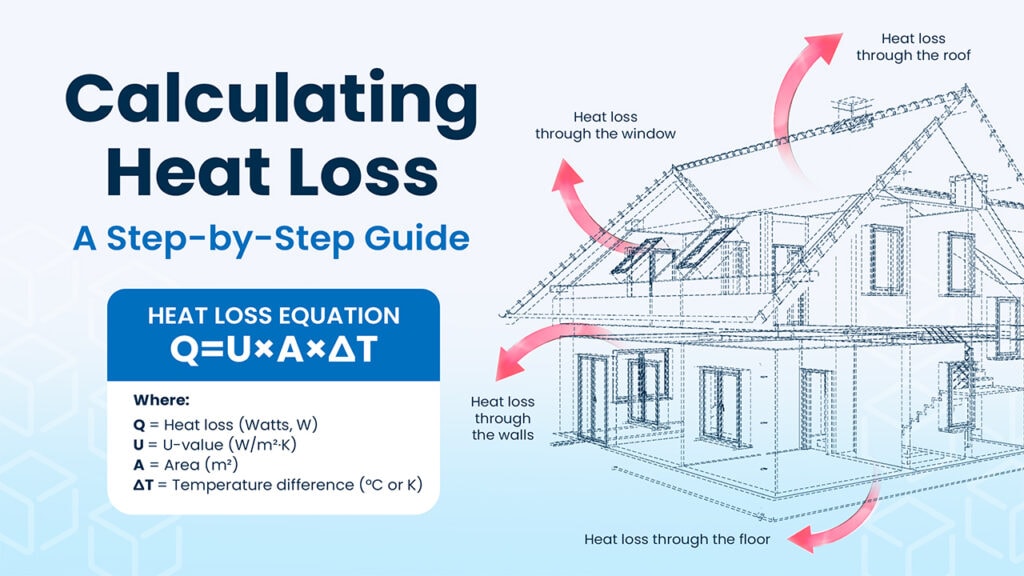
Calculating Heat Loss: A Step-by-Step Guide
Learn how to calculate heat loss using U-values, surface areas, temperature differences, ventilation and thermal bridging.
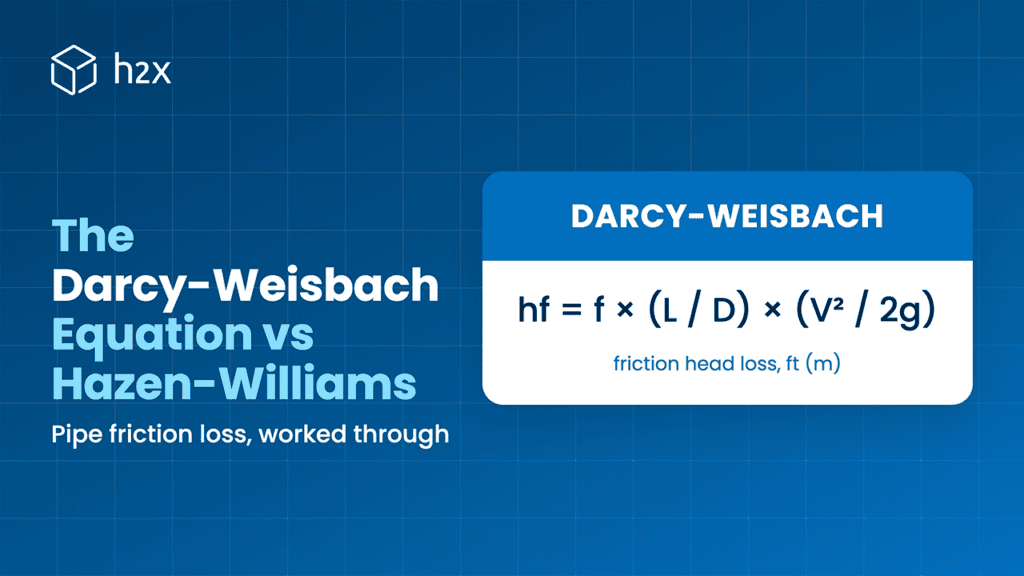
Darcy-Weisbach Equation vs Hazen-Williams for Pipe Friction Loss
Compare the Darcy-Weisbach equation and Hazen-Williams formula, when to use each and how they calculate pipe friction...

How to Size Water Pipes
To size water pipes correctly is critical for the performance of your design. Below, we will explore...
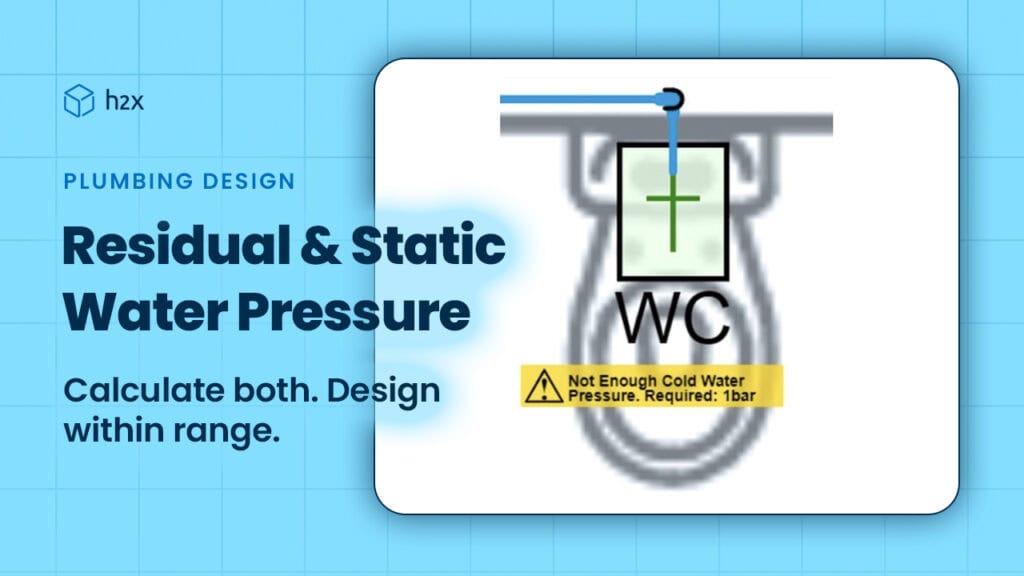
How to Calculate Residual and Static Water Pressure
Learn the difference between residual and static water pressure, how to calculate both through a plumbing system,...
Highlights (Free Downloads)
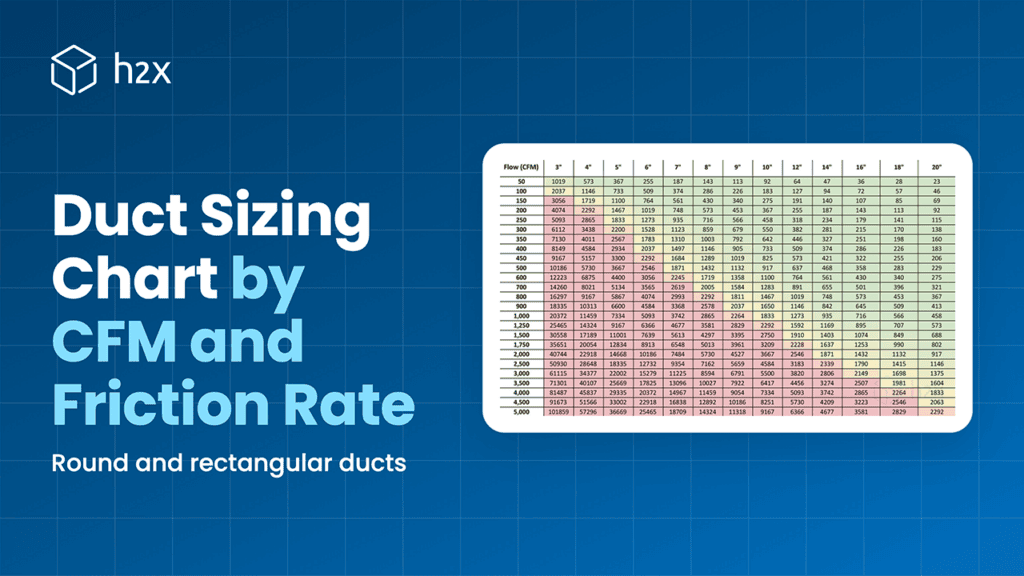
Duct Sizing Chart for CFM, Velocity and Friction Rate
A duct sizing chart for round and rectangular ducts, showing airflow capacity and velocity at common friction...

FREE Pipe Volume Spreadsheet
Access h2x's free pipe volume spreadsheet to streamline calculations, optimise design, and enhance efficiency in piping projects.

Hardy Cross Method – Sizing a Ring Main (FREE Spreadsheet)
Flow rate and friction loss in a pipe network system can be difficult to calculate. When the...