

The h2x Blog
We publish practical guides, top tips and trends, latest news, and more stories related to the mechanical, plumbing and fire industry.

Latest Articles
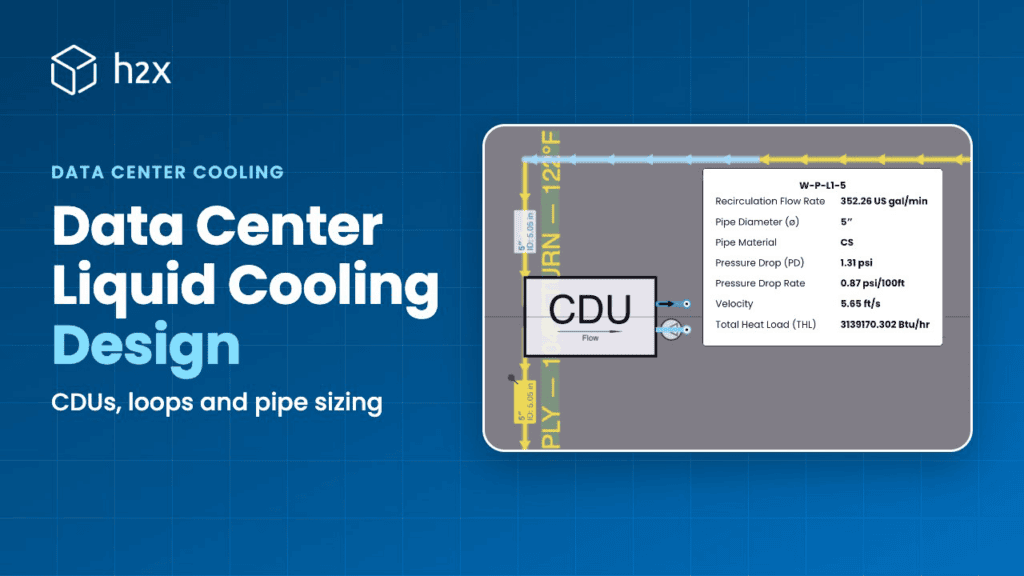
Data Center Liquid Cooling Design for Direct-to-Chip Racks
How data center liquid cooling works, from CDUs and the three water loops to direct-to-chip flow rates,...
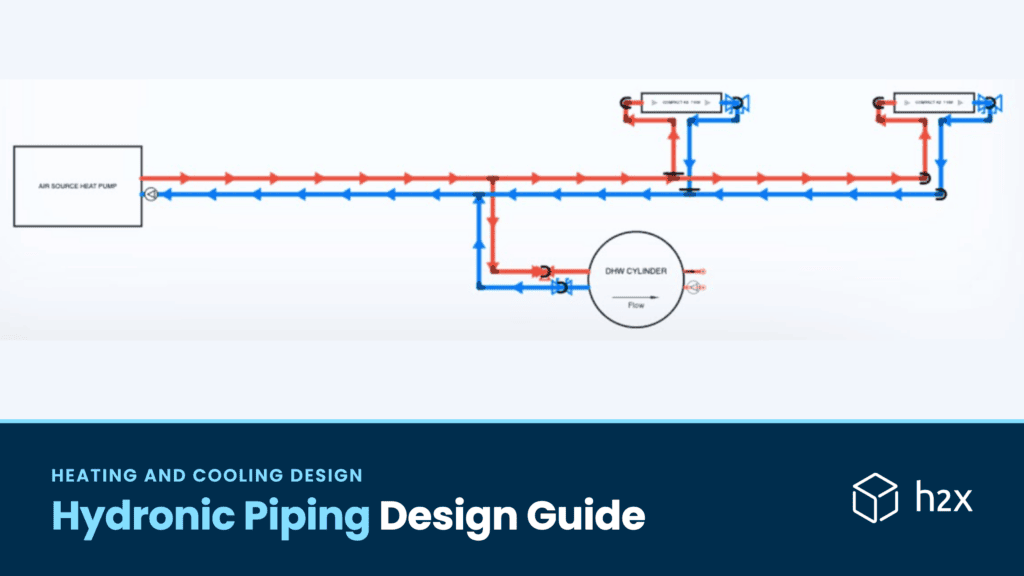
Hydronic Piping Design Guide for Layouts and Pipe Sizing
A hydronic piping design guide to layouts, direct and reverse return, primary-secondary piping and pipe sizing, with...
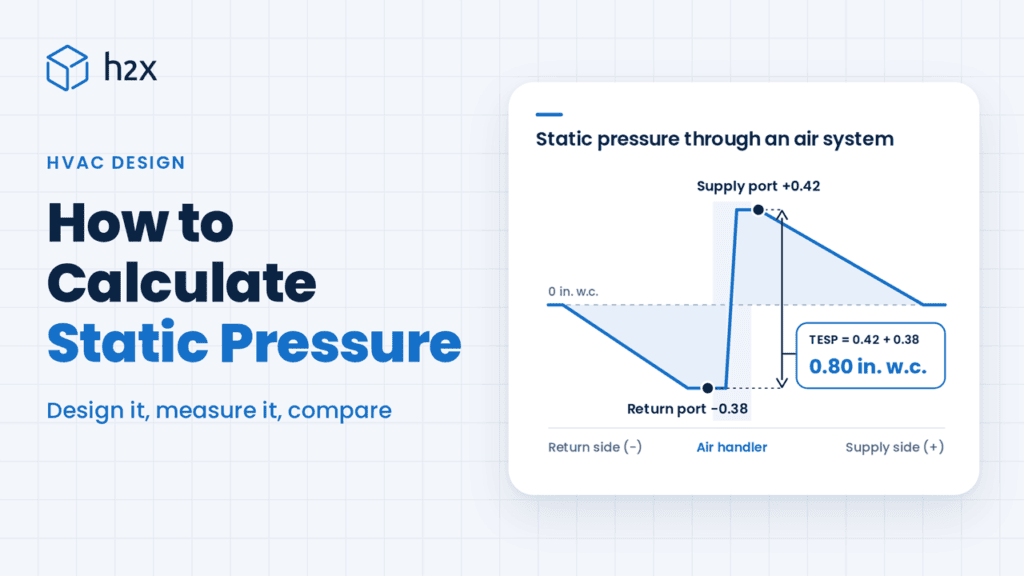
How to Calculate Static Pressure in an HVAC System
Calculate static pressure at design stage, measure TESP at commissioning and compare the two to diagnose excess...

Plumbing Estimating Software for Faster, Accurate Tenders
How to turn a partial floor plan into an accurate bid before the deadline hits.
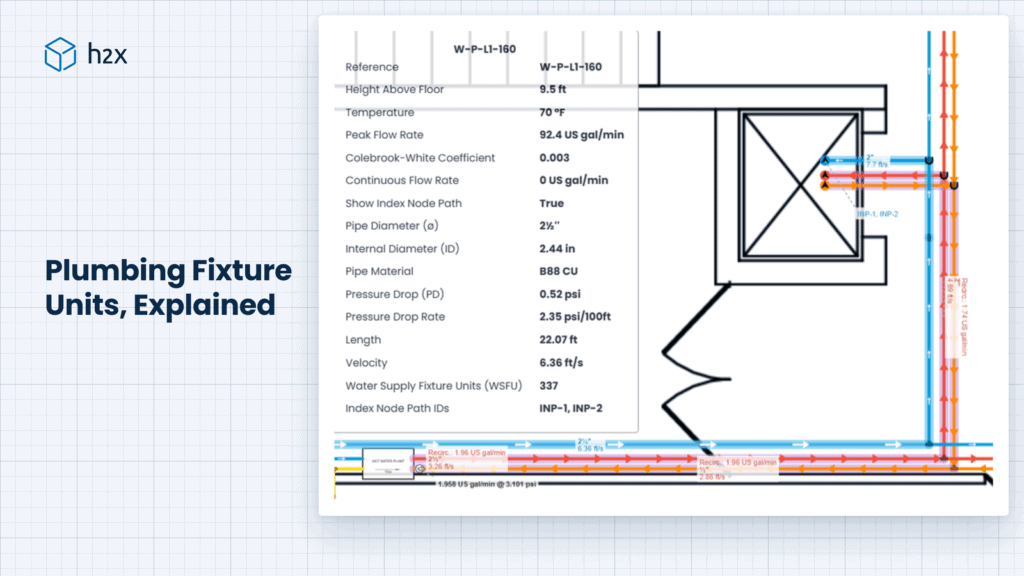
Plumbing Fixture Units, Explained: Charts for Every Code
Supply, Drainage, and a Chart for Every Major Code
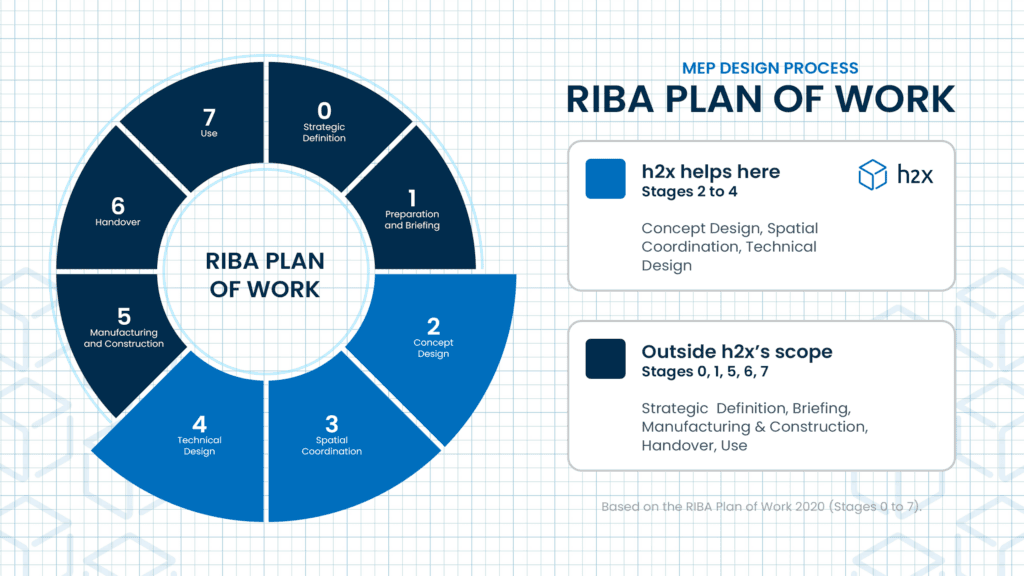
RIBA Plan of Work Stages: How They Shape Construction Projects
Every RIBA stage exists to answer a specific question at the optimal time to prevent project delays...
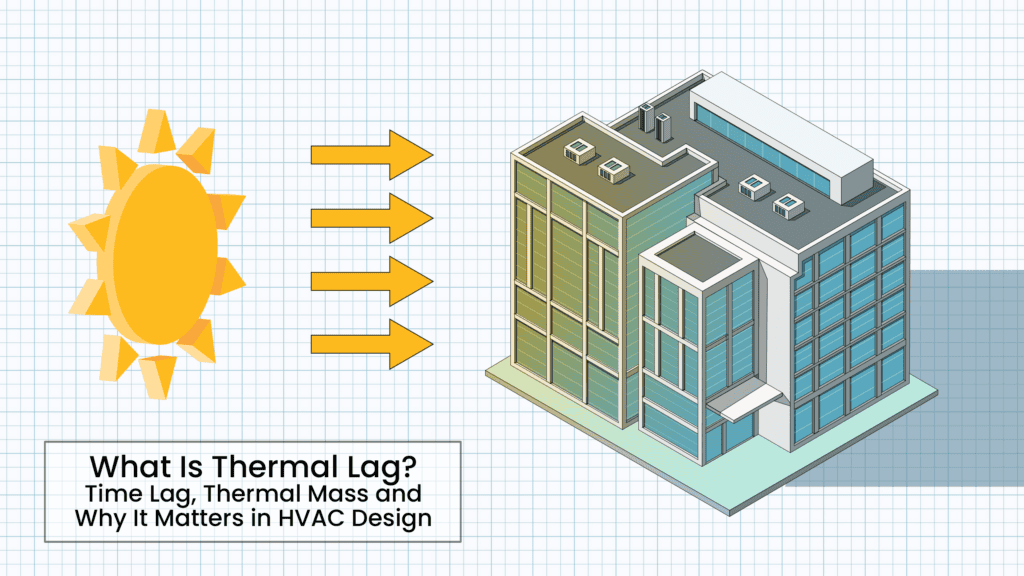
What Is Thermal Lag? Understanding Time Lag and Thermal Mass in HVAC Design
Why heat arrives hours after the temperature peaks, and what that means for cooling loads, plant sizing,...
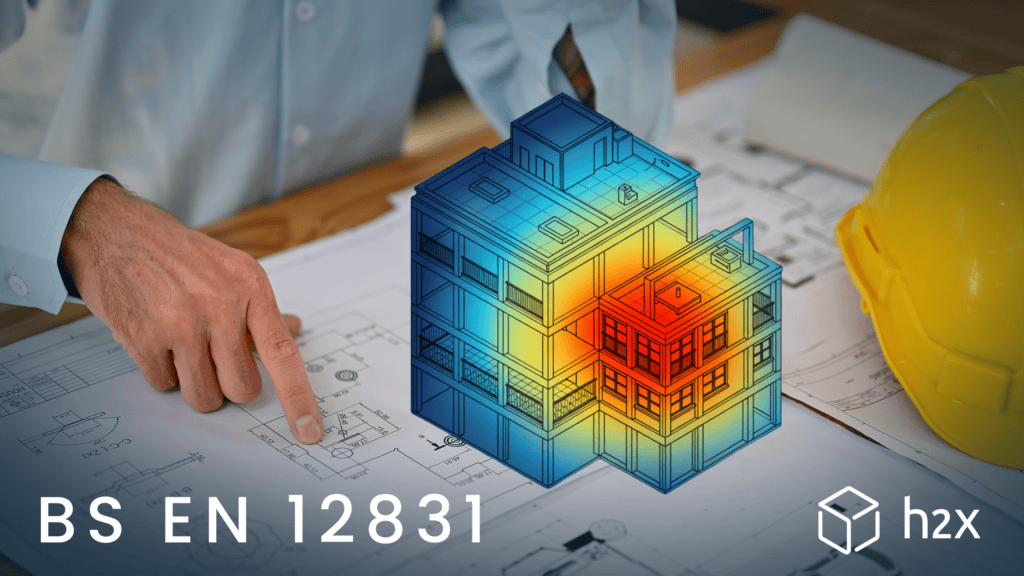
Designing to BS EN 12831-1:2017 in h2x: A Step-by-Step Guide
A practical guide to configuring BS EN 12831-1:2017 heat loss calculations, ventilation inputs, and system settings in...
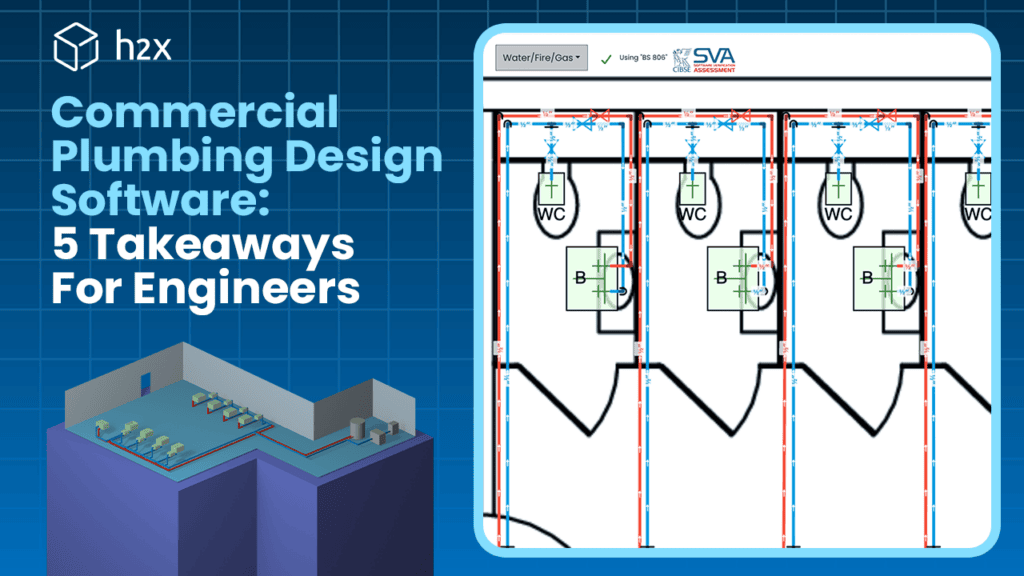
Commercial Plumbing Design Software: Five Takeaways for MEP Engineers
Review insights from a recent h2x live session on designing domestic water systems.
Best MEP Software in 2026: 10 Tools Compared
Compare the leading MEP design, calculation and BIM platforms to find the right software for your engineering...

Beat The MEP Software Learning Curve
Learn how to choose, introduce and support an MEP design platform your engineering team will actually use.
ASHRAE 183: The Industry Standard for HVAC Load Calculations
Learn what ASHRAE Standard 183 requires for HVAC load calculations and what engineering design software needs to...
Featured (Must-Read Blogs)
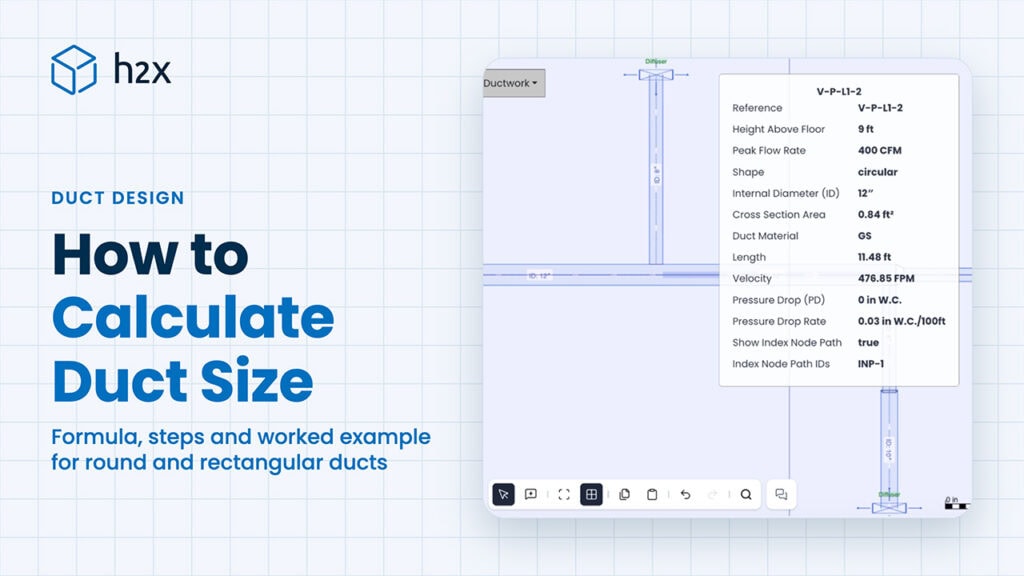
How to Calculate Duct Size for HVAC Systems
Learn how to calculate duct size from airflow, velocity and friction rate, with a worked example for...
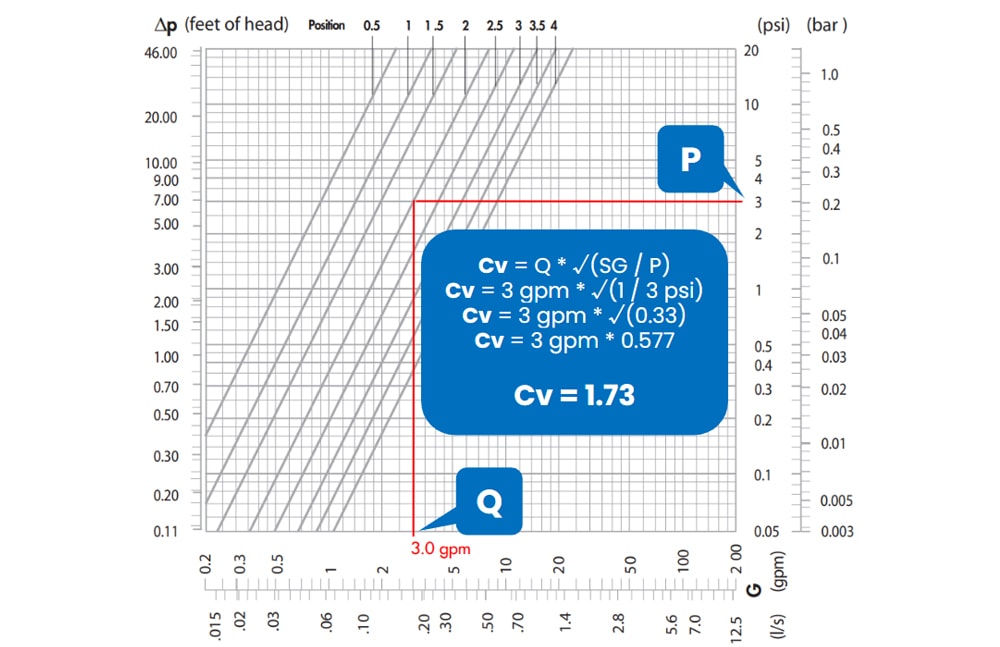
What Are Cv and Kv? Flow Coefficient Formulas & Valve Sizing Explained
Learn how flow coefficient (Cv) impacts valve sizing. Explore their calculation, importance in fluid dynamics, applications, and...
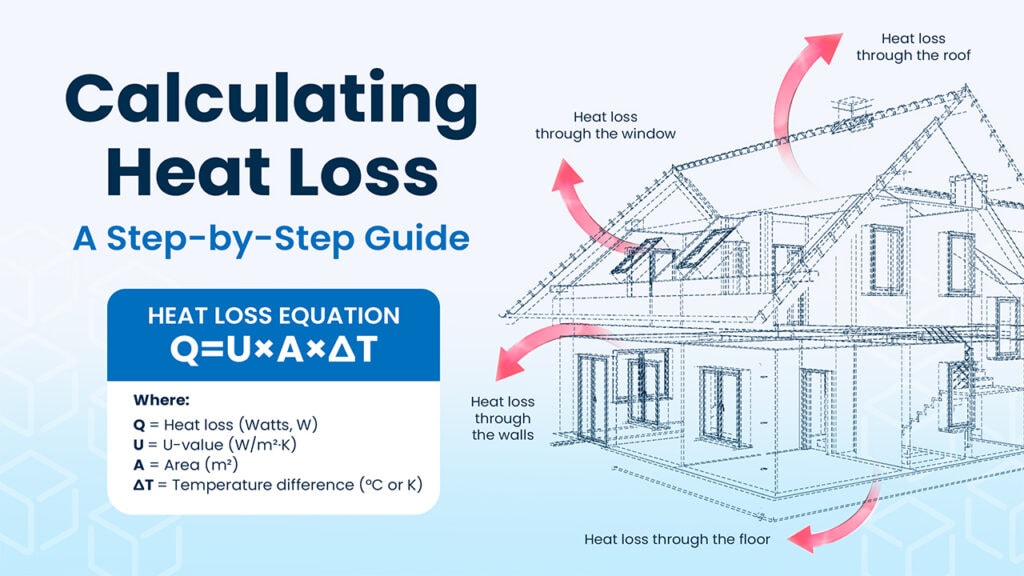
Calculating Heat Loss: A Step-by-Step Guide
Learn how to calculate heat loss using U-values, surface areas, temperature differences, ventilation and thermal bridging.
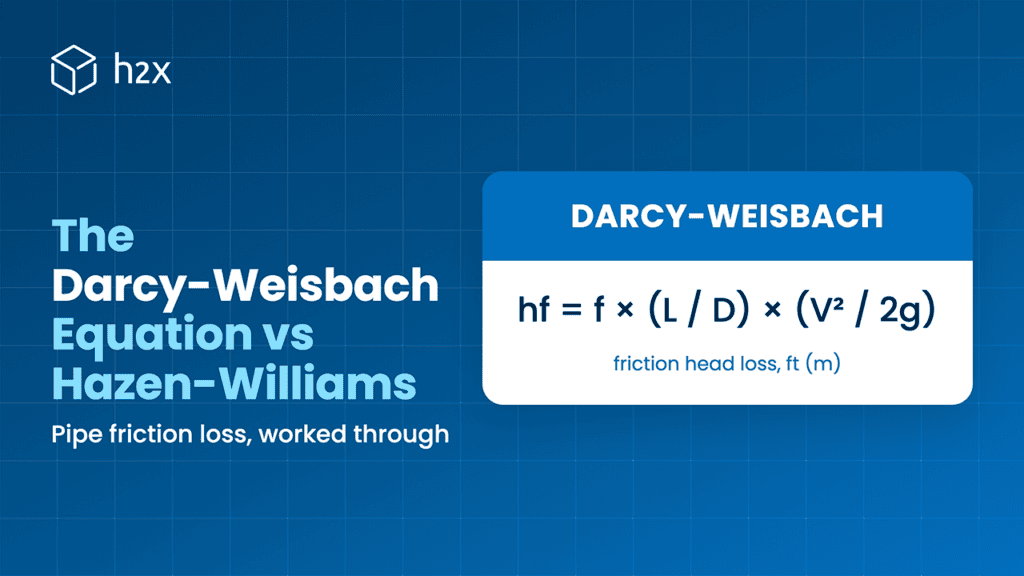
Darcy-Weisbach Equation vs Hazen-Williams for Pipe Friction Loss
Compare the Darcy-Weisbach equation and Hazen-Williams formula, when to use each and how they calculate pipe friction...

How to Size Water Pipes
To size water pipes correctly is critical for the performance of your design. Below, we will explore...
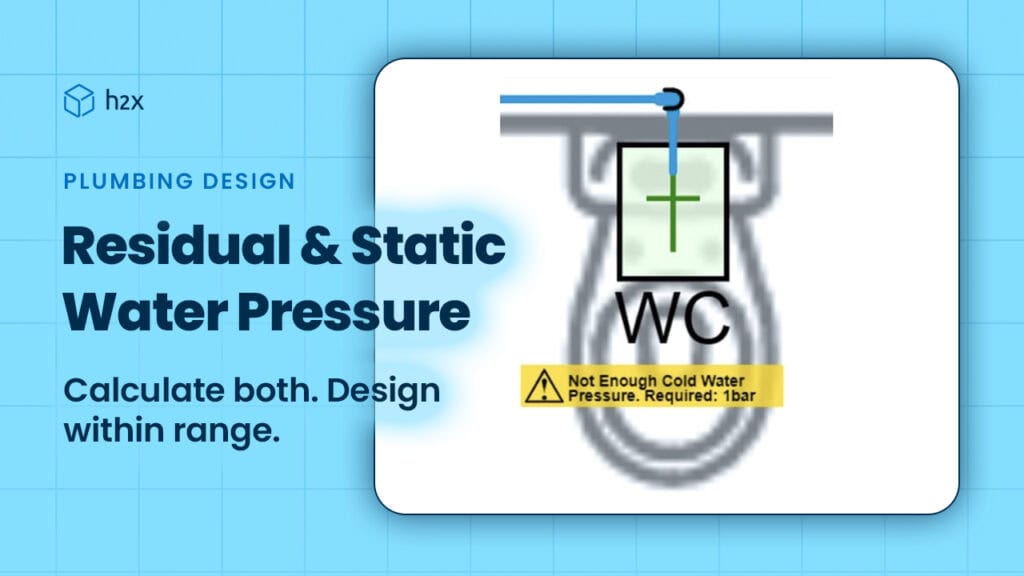
How to Calculate Residual and Static Water Pressure
Learn the difference between residual and static water pressure, how to calculate both through a plumbing system,...
Highlights (Free Downloads)
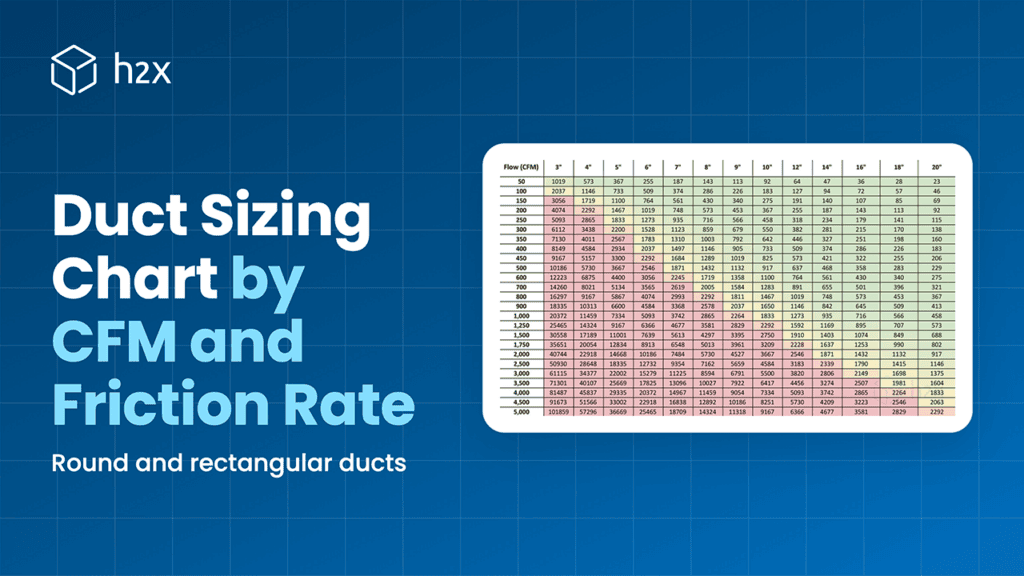
Duct Sizing Chart for CFM, Velocity and Friction Rate
A duct sizing chart for round and rectangular ducts, showing airflow capacity and velocity at common friction...

FREE Pipe Volume Spreadsheet
Access h2x's free pipe volume spreadsheet to streamline calculations, optimise design, and enhance efficiency in piping projects.

Hardy Cross Method – Sizing a Ring Main (FREE Spreadsheet)
Flow rate and friction loss in a pipe network system can be difficult to calculate. When the...